The Practice
The work that emerges from a studio is never separate from how that studio operates. What happens in the space, the materials chosen, the techniques refined over years—these accumulate into a practice that defines both the work itself and the lens through which it gets made. When you're considering the studio behind any finished piece, understanding this foundation matters.
A practice is what happens between projects—the daily work of knowing your tools well enough to forget about them and focus on the idea.
The studio practice we describe here is built on textile and surface art rooted in printmaking traditions. It encompasses the decision-making that precedes each piece, the technical constraints that become creative opportunities, and the relationship between concept and execution. It is the grammar of the work.
The Key Figures
- 3–5 hours
- The time required for initial sketch development and material selection before any plate work begins. This phase determines whether a concept will succeed or requires rethinking.
- 12–18 weeks
- The typical timeline from concept to finished edition, accounting for material sourcing, proofing, refinement, and final printing. This is a realistic arc, not an accelerated one.
- 15–40 pulls
- The typical edition size per work, balancing the singular quality of handmade printing against the accessibility of owning a numbered print. Smaller editions reinforce the intentionality of each decision.
- 2–3 techniques
- The number of distinct printing methods integrated into most works, creating depth and visual complexity that a single technique cannot achieve alone.
The Reference Table
| Technique | Primary Materials | Typical Time Per Pull | Edition Variability |
|---|---|---|---|
| Relief printing (linocut/woodcut) | Carving tools, ink, paper or textile | 15–25 minutes | High—pressure, ink density, and substrate create variation naturally |
| Intaglio (etching/engraving) | Copper or steel plate, acid bath, ink, felt blankets | 20–35 minutes | Moderate—plate condition changes subtly over the edition |
| Screen printing | Silk or synthetic mesh, emulsion, ink, squeegee | 10–20 minutes | Low—repeatable but responsive to substrate absorption |
| Surface design (textile application) | Dye, resist materials, fabric, heat source | 25–45 minutes | Very high—fiber content, dye uptake, and curing create rich variation |
Studio Foundation
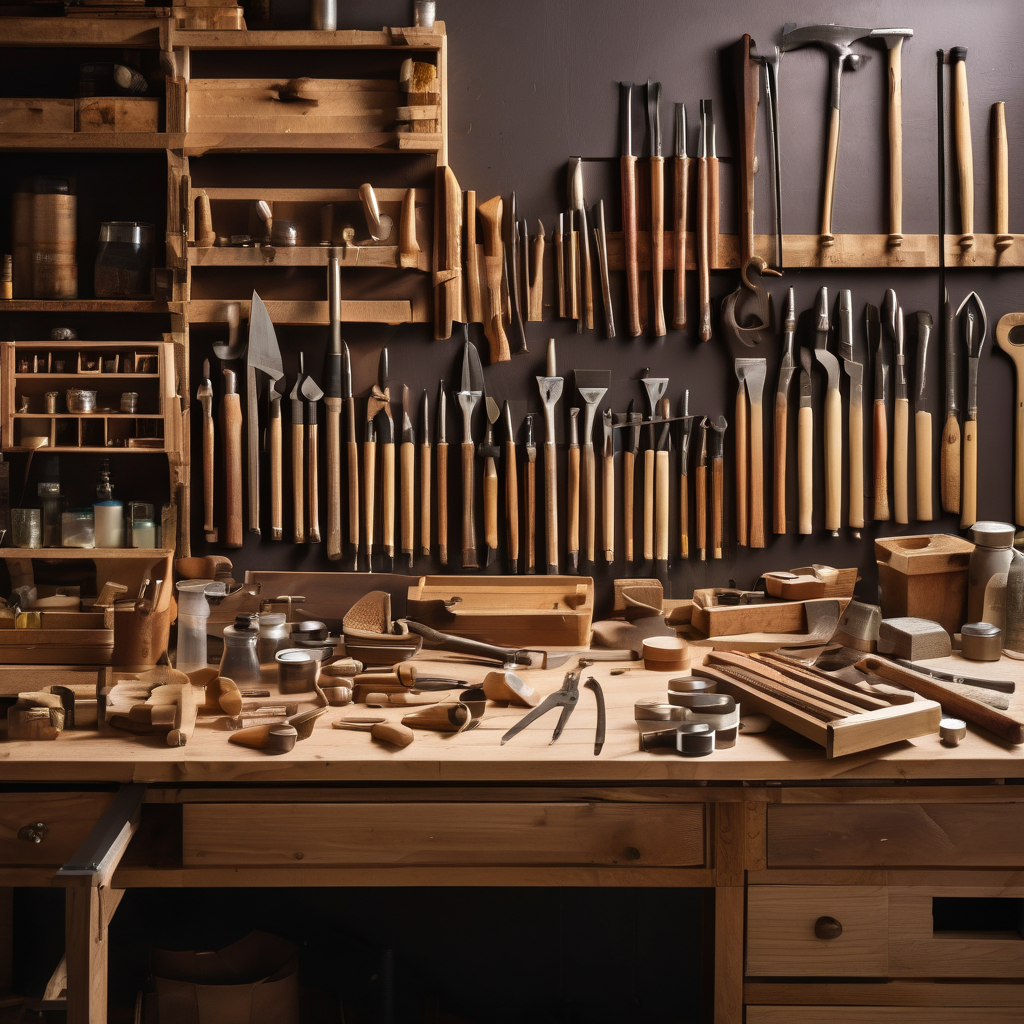
The physical infrastructure of a practice matters as much as technique. A well-organized studio with properly maintained tools and materials supports consistent work without distraction. The arrangement of space, the accessibility of supplies, and the presence of both specialized and experimental equipment all shape what becomes possible.
The Creative Process
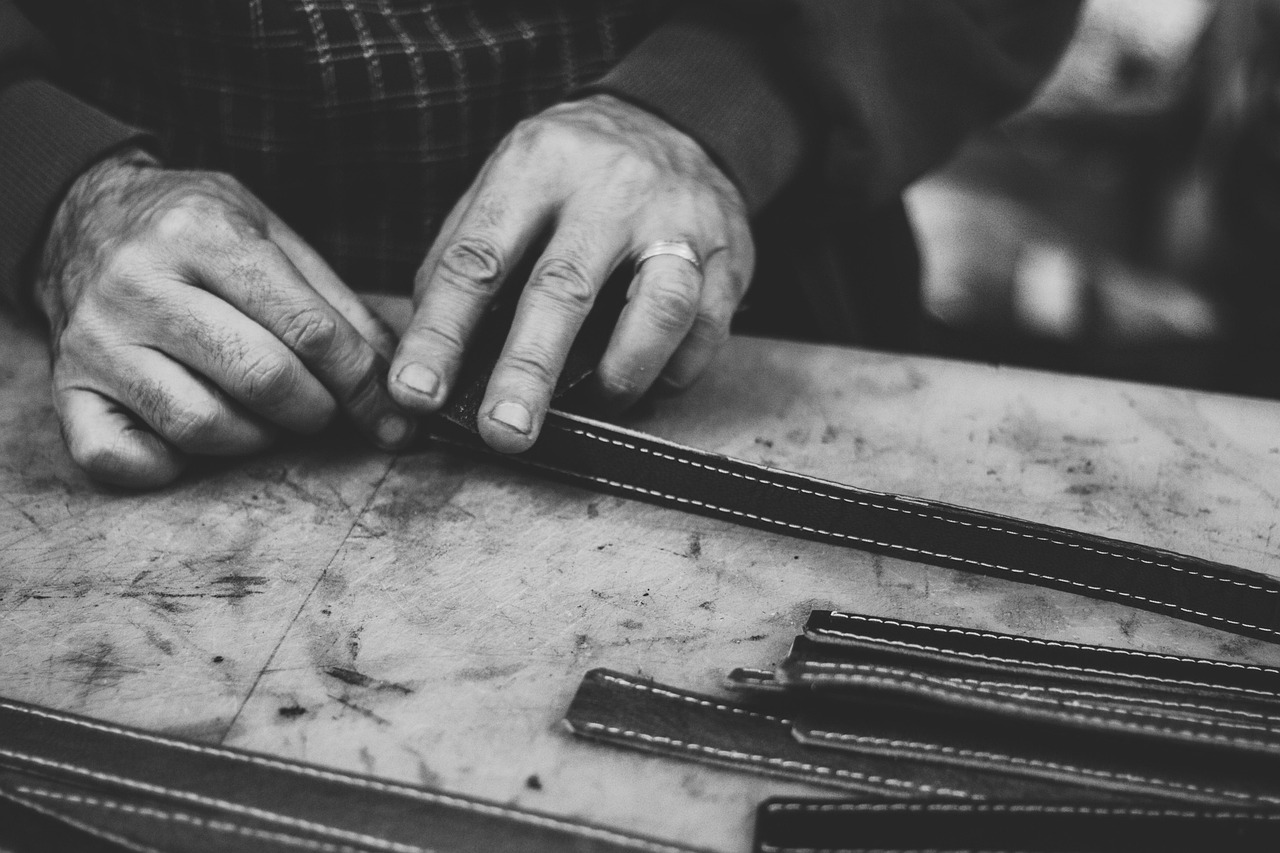
Most work begins with research—gathering reference material, studying historical precedent, and understanding the visual language that already exists in the field. From there, sketching allows ideas to move from abstract thought into concrete form. The shift from paper studies to plate or substrate is where many discoveries happen, because theory and material reality often diverge.
Learn More
Understanding the studio practice is fundamentally about recognizing that finished work is only the visible part. The decisions about materials, the years spent refining technique, the relationship between concept and constraint—these all inform what you see in the final piece. When you understand the practice, the work becomes legible in a different way.
The Studio in Action
Here's a working studio in the middle of the day—the space where all of this actually happens:
This is what a functional practice looks like: organized, intentional, and ready to support both routine work and experimental exploration.