CV
The studio's practice across printmaking, book arts, and surface design, from 2013 to now.
Orientation — what this is
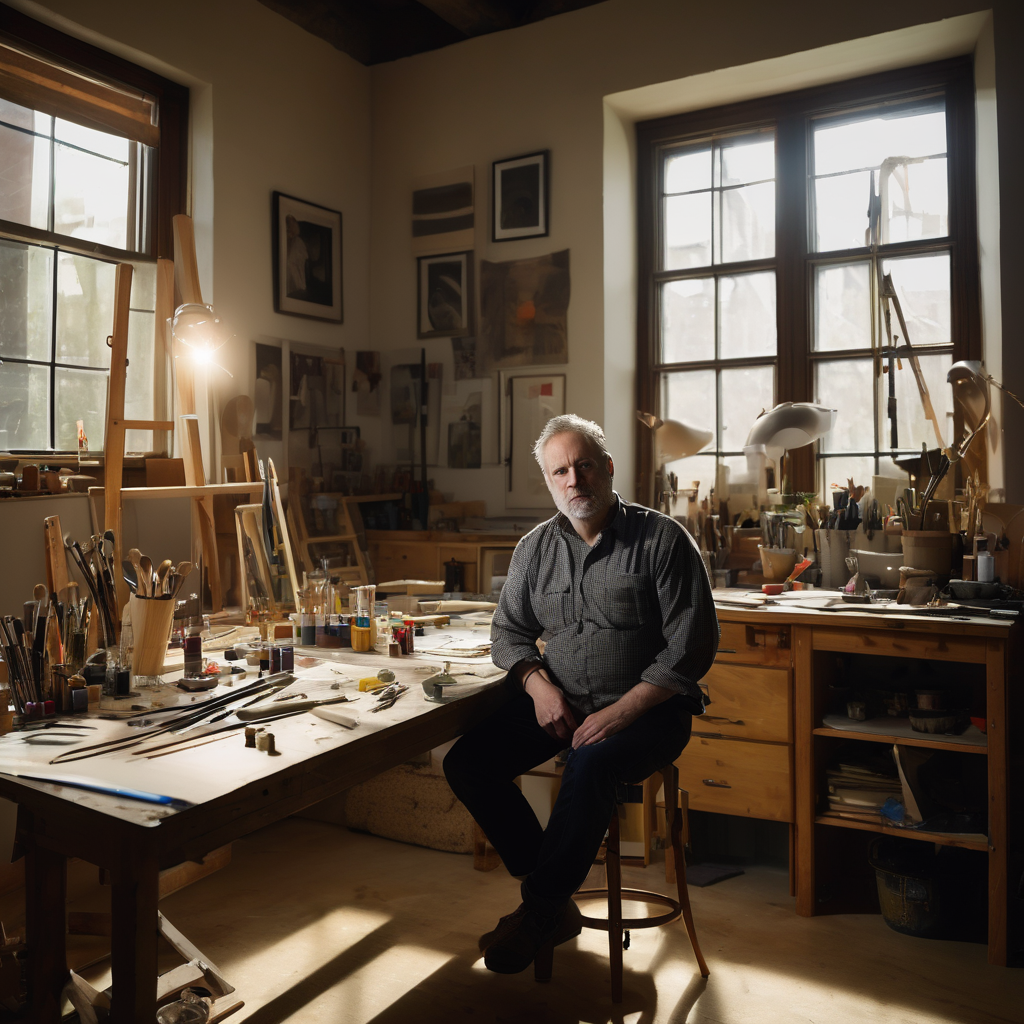
This is the formal record of what we've built, where we've shown it, and who we've worked with. It's organised chronologically by project and practice areas rather than by institution or award, because we think the work is clearer that way — it shows what we were actually doing at each moment, not just where we were doing it.
The practice deepens through repetition and variation — the same technical question asked ten different ways, each time with a different material or scale. What looks like a career is really just staying with one core set of questions long enough to understand them properly.
How to use it
If you're considering working with the studio, this CV tells you what we've done, what our range is, and what kinds of projects we've taken on. Read it in this order:
- Current practice (what we do now) — the first two sections show what we're actively working on and what techniques we're deep in
- Project history (what we've done) — the chronological section shows the range of scale, material, and approach across the years
- Teaching and collaboration (how we talk about it) — this shows where we've shared the practice and what kind of feedback loop we've built
- Materials and equipment (what we can work with) — if you need a specific technique or have constraints, this shows what's actually possible in this studio
If you want to know what a project might look like or what it would cost to get started, come back to the Inquiries page. This is the record; Inquiries is the conversation.
Key figures at a glance
Printmaking practice
The studio's core work is in traditional printmaking methods — screen printing, letterpress, and monoprinting — each approached as a conversation between the design intent and what the material actually allows. We've been working with these methods since 2013, and we add a new technique or variant roughly every 18–24 months as a way to stay curious about what's possible.
Over the past few years, the work has shifted toward layered and combined approaches. Rather than one image printed one way, we're building pieces by printing multiple times, varying the substrate (paper, silk, linen), and sometimes adding hand elements (stitching, painting, collage) after the printing is done. This gives us a way to hold contradictions: industrial precision from the press, and something handmade and imperfect from the element you add after.

Book arts and binding
In parallel with printmaking, we've been experimenting with how printed pieces can become bound objects — books, boxes, folded forms. This started as a natural extension: you have beautiful printed sheets, what if you fold them? What if they open a certain way? But it's developed into its own discipline, where the structure is part of the content.
We work primarily with case binding (hardbound), Japanese side-stitch binding (for more experimental pieces), and sometimes soft-cover approaches when the project calls for something lighter. Each method changes how the reader experiences the printed surface.
Textile and surface design
The newest sustained practice is working with textiles — taking printmaking surfaces and adapting them to work on silk, linen, and cotton, usually through direct screen printing or careful hand application. This opened a completely different set of questions. Paper is forgiving; it accepts ink readily. Fabric is negotiation. It absorbs differently, moves differently, has its own memory. That constraint is exciting.
This practice sits alongside work with wallpaper, panels, and other surface formats where the piece is meant to be lived with, not just viewed in the studio or the gallery. That changes the conversation about durability, colour fastness, and how something reads when you see it every day instead of seeing it once.
Teaching and collaboration
Since 2016, we've taught workshops in basic printmaking, bookbinding, and surface design — both in-studio and at community spaces and art centers. Teaching is part of how we think through the work. You have to be able to explain why you made a choice, and that makes you clearer about the choices you make.
We've collaborated with other makers (textile artists, illustrators, photographers) on projects that needed more than one sensibility. We've consulted with curators on exhibition concepts. We've worked with small publishers who wanted custom printing done in a certain way. These collaborations aren't separate from the practice — they're how the practice stays generative.