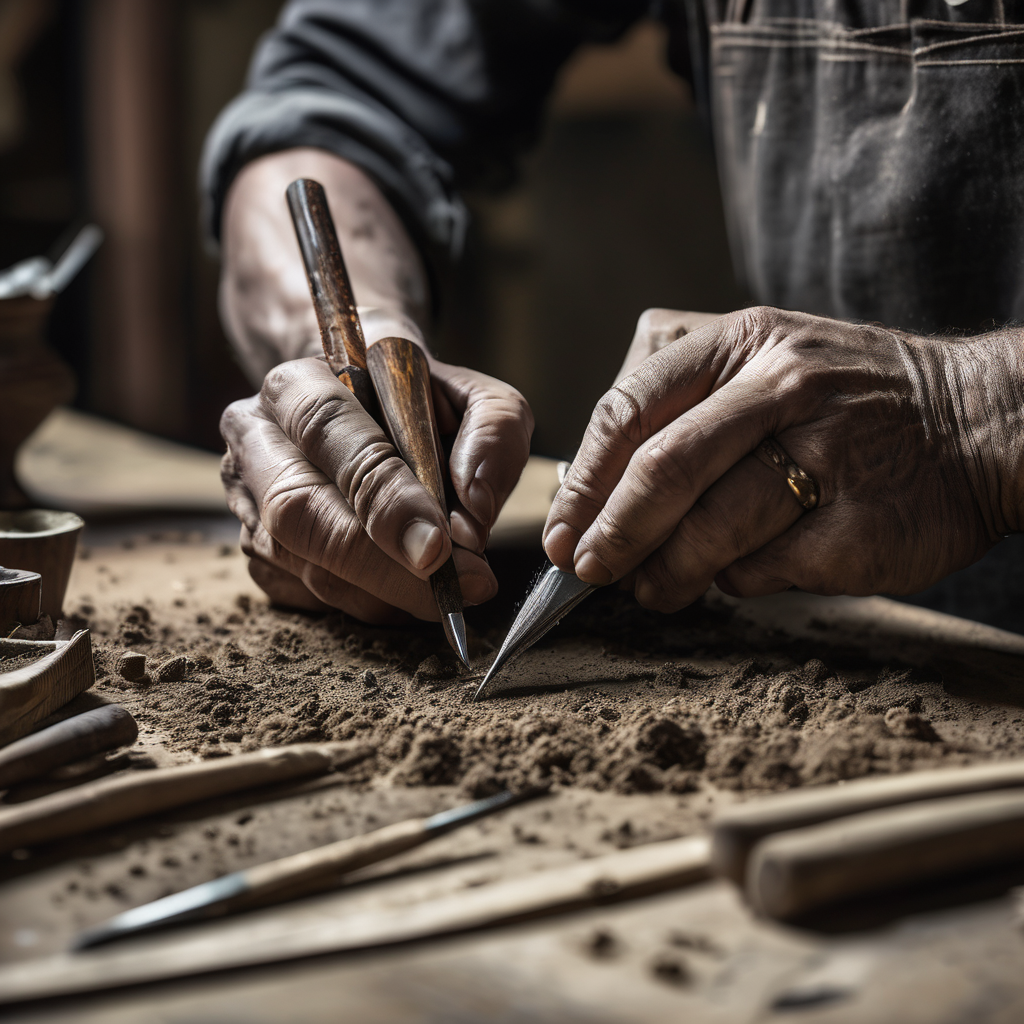
How I Work
Custom creative work is a conversation, not a transaction. Whether you're thinking about commissioning prints, exploring collaborative projects, or just wondering how the process actually works, this page walks you through what to expect and what questions matter most.
The Problem, Stated
Many people think about commissioning custom creative work but hesitate because the process feels unclear. You might worry about miscommunication, about whether you're asking for something realistic, or about whether you'll end up with something you love or something that misses the mark entirely. The gap between what you picture in your head and what actually gets made is where most friction lives.
The work that turns out best is the work where you and the maker understood each other completely from the start.
This page exists to close that gap. By the time you finish reading, you'll know what questions matter, what information a maker actually needs, and what the whole process looks like from first conversation to finished piece.
What to Consider First
Before you reach out to anyone, think through these things. You don't need perfect answers—clarity matters more than certainty.
- What is the actual goal? A gift, a collection, a one-time piece, an ongoing series?
- When do you need it finished? Realistic timelines matter; rush timelines cost more and deliver worse.
- What's your budget? Transparency here saves everyone time. A maker can work backwards from budget.
- What do you actually want, not what do you think you should want? Honesty is the foundation of good work.
- How much input do you want to have? Some people love the back-and-forth; some want to brief a maker and get surprised.
- What constraints matter? Size, materials, specific techniques, durability requirements, anything else?
Write these answers down before you contact anyone. They become the briefing that shapes everything after.
Questions to Ask Before Committing
When you reach out and start a conversation, these are the things you need clarity on. Read through them now so you know what to listen for.
How does the maker charge? Is it hourly, a flat rate, or something else?
Different makers work different ways. Some charge by the hour. Some quote a flat fee for the whole project. Some work on retainer if it's ongoing work. There's no right answer—what matters is that you understand it before you start and can make a real decision about whether it works for your budget.
What does the revision process look like?
Most makers include one or two rounds of changes. After that, revisions cost more time and get billed differently. Knowing this upfront keeps you from being surprised—and keeps the maker from feeling nickeled and dimed by endless small tweaks.
How long does the actual work take once we've agreed on direction?
This is different from how long the back-and-forth takes. The difference matters. Some makers have a backlog; some can start right away. Some work in batches; others take projects one at a time. All of these change your timeline.
What happens if neither of us is happy with how it's going?
This is the awkward question nobody wants to ask, and it's the most important one. A good maker has a clear answer. Know what happens before you're in the middle of a project that isn't working.
Your Creative Process
A good maker documents their thinking and shares it with you. The creative process isn't mysterious—it's deliberate choices made with intention. Understanding how a maker thinks about the work helps you trust the direction they're taking, even when it surprises you.

Step Through It
Here's what the actual timeline looks like, from first contact to your finished work in hand.
| The Step | What You Do | What You Should See Happen |
|---|---|---|
| Initial conversation | Send a note describing what you want, your budget range, and your timeline. Be specific but not precious—rough sketches or word descriptions both work. | You get a response within a few days with questions back and a sense of whether the maker can take the work on. |
| Briefing call or follow-up | If it's more than a paragraph, a real conversation happens. You talk through the vision, the constraints, the feel you're after. Bring reference images if you have them. | The maker summarizes back what they heard, asks the clarifying questions they still have, and gives you a sense of direction and cost. |
| First proofs or sketches | The maker works and comes back with initial directions to explore. You review them and give feedback. | You see 2–4 distinct approaches, not 10 tiny variations. The maker explains their thinking for each one. |
| Direction and refinement | You pick the direction that feels closest, and the maker refines it. You give feedback on what's working and what needs adjustment. | The work feels like it's moving toward your vision, and the maker is responsive to what you're saying. |
| Final proofs | You do a final review of the finished version. You might ask for small tweaks, but the big shape is done. | The piece looks like what you asked for. If you're not sure how you feel, you can ask the maker to walk you through their thinking. |
| Delivery | You receive the finished work. Most makers include care instructions if it's something that needs looking after. | The work arrives in good condition and looks even better in person than in the previews. |
When to Call a Professional
Sometimes people hesitate to reach out because they think their project is too small, too weird, or too specific. None of those things are true. A maker who specializes in custom work has probably been asked for stranger things than whatever you're thinking about.
You call a maker when the thing you want doesn't exist off the shelf, or when you want something made exactly for you, with your vision baked into it from the start.
If you can find something premade that works, great. If you have a vision that's specific to you, or you want something tailored to a particular person or purpose, that's when you reach out. And you should reach out sooner rather than later—the more time a maker has to think about your project, the better work you get.
The Mistake Most People Make
The biggest stumbling block isn't miscommunication mid-project. It's incomplete briefing at the start. People hesitate to tell a maker what they actually want, or they give vague direction hoping to be surprised. Surprise is nice sometimes. Getting handed something that isn't what you asked for is not.